

Top 5 Mistakes Home Buyers Make Part 1: Not Getting Pre-Approved Early Enough
Buying a home is one of the biggest moves most people ever make. The mistakes that hurt the most are usually the quiet ones. Not dramatic blowups, just small missteps early on that cost you the house, or the money, later.
Buying a home is one of the biggest moves most people ever make. The mistakes that hurt the most are usually the quiet ones. Not dramatic blowups, just small missteps early on that cost you the house, or the money, later.
This is the first in a short series on the five we see most often. We're starting with the one that trips up more buyers than any other, because it happens before you've even really begun. It's waiting too long to get your mortgage pre-approved.
Why Buyers Skip It
Most people treat the loan as the last step. It feels backward to talk to a lender before you've found a house you love. Why go through paperwork for a home you may never buy? So they start touring, start dreaming, and figure they'll sort out the money once they find the one.
In a slower market, you might get away with that. In North Carolina right now, that order gets you beat.
What Actually Happens Without It
Here's the reality. Sellers want buyers who can close, and a pre-approval letter is the proof. Without one, you're a maybe. And maybes lose.
It starts earlier than most people expect. In busy markets, some listing agents won't even schedule a showing until they see you're approved. They don't want to waste a Saturday on someone who can't follow through. So you're not just losing offers at the end, you're losing your spot in line before you ever walk through the door.
Then there's speed. When a good house hits the market, approved buyers move the same day. By the time you call your lender, gather your documents, and wait for an answer, the home already has three offers on it. You're a step behind every single time, and you can't feel why.
And there's the quiet damage to your own planning. Without pre-approval, you're guessing at your budget. You fall for a house that turns out to be ten thousand over what the bank will actually lend you, and now every other home feels like a letdown. You've anchored yourself to a number that was never real.
A Real Example
We worked with a buyer last year, a nurse relocating to the Durham area. Smart, decisive, she knew exactly what she wanted. But she kept getting outbid, and she couldn't figure out why. Her offers were strong. Her budget was solid.
The problem was timing. She'd find a home on Thursday, call her lender Friday, and submit an offer Monday once her approval came through. Every time, she was a day or two behind buyers who already had their letter in hand. The sellers weren't choosing more money. They were choosing certainty.
So we hit pause and sent her to a reputable local lender first. Two days later she had a full pre-approval letter. The very next week, a home she loved listed on a Tuesday morning. She toured it by lunch, made a clean offer that afternoon, and had it accepted by dinner.
Nothing about her finances changed. Same income, same savings, same budget. The only thing that changed was that she walked in ready. That was the whole difference.
The Fix
Before you tour a single house, get a pre-approval letter from a reputable lender. Not pre-qualified. Pre-approved. The two sound alike and they are not the same thing.
Pre-qualified is a quick estimate based on what you tell the lender. Pre-approved means they've actually reviewed your income, your credit, and your documents, and they're putting real weight behind a number. That's the letter sellers respect.
Give yourself a little runway. Gather your pay stubs, your tax returns, and your bank statements before you reach out, so the process moves fast. Ask a lender you trust, or ask us for names of ones we've seen treat buyers well. And get it done before you start falling in love with homes, not after.
It isn't the exciting part of buying a house. Nobody dreams about mortgage paperwork. But it's the step that turns you from a hopeful browser into a serious buyer, and in this market, that's what gets you the keys.
Next in the series, we'll look at Mistake 2, and it's one that costs buyers real money long after they've moved in. If you're starting your search anywhere in North Carolina and want help getting ready the right way, we're always glad to talk it through.
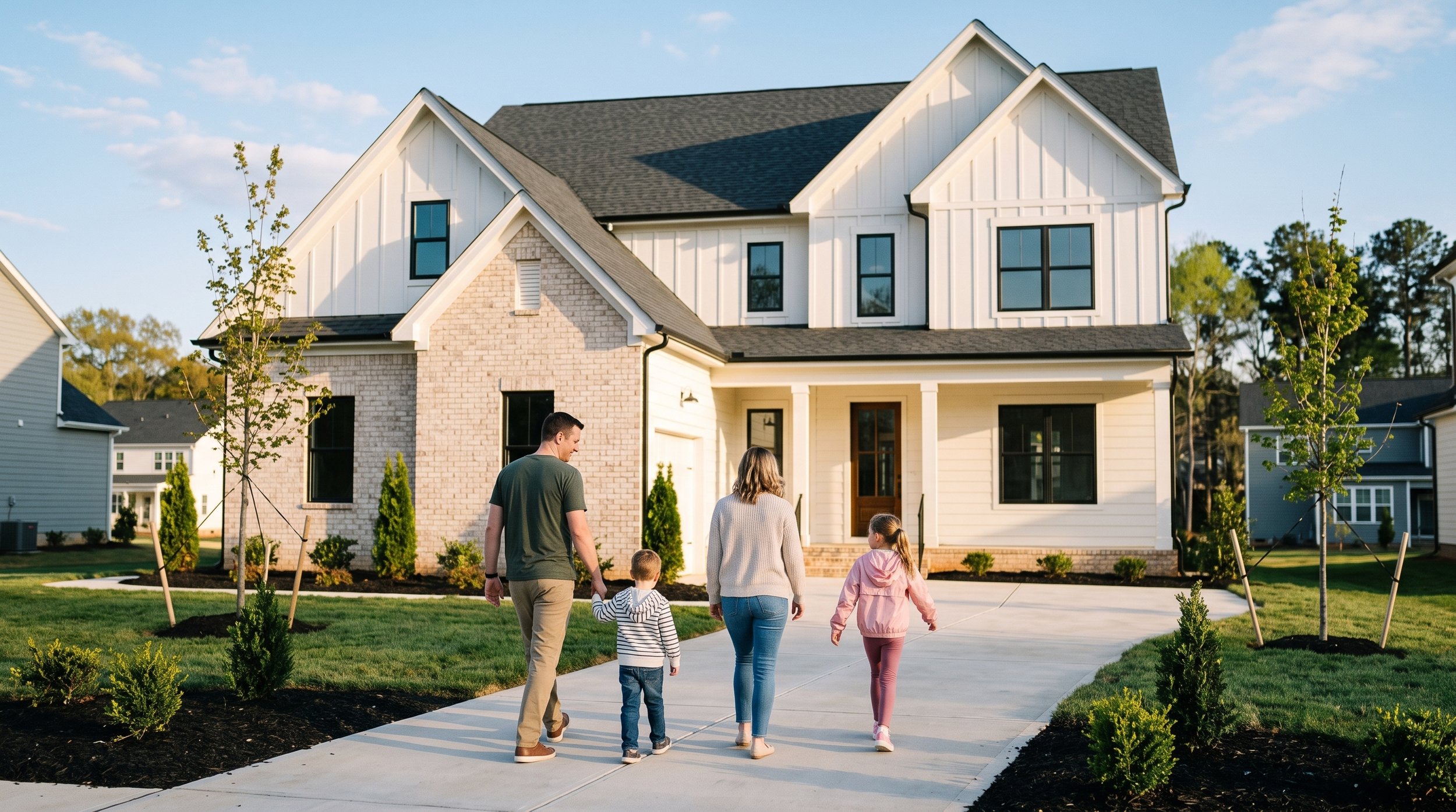
New Construction or an Existing Home? How to Decide in North Carolina
Existing homes give you character, mature surroundings, and speed. New construction gives you control, efficiency, and years without a repair list. Neither one is better. One is just better for your life right now.
New Construction or an Existing Home? How to Decide in North Carolina
Most buyers start with a house, not a category. They fall for a wide front porch in an older neighborhood, or they walk through a brand new model home and love that nothing has ever gone wrong in it yet. Then the real question shows up. Do you buy something that already exists, or do you build or buy new?
There's no single right answer. But there is a right answer for you, and it usually comes down to four things: time, money, control, and how much you like fixing stuff.
What an Existing Home Really Offers
Older homes come with things new ones can't fake. Big trees. Established yards. Neighborhoods where the sidewalks are worn smooth and everybody knows which house gives out the good candy. You often get more square footage for the price, and you can move in next month instead of next year.
The trade off is age. A 1995 house in Cary has a 1995 roof somewhere in its future, and a water heater that owes you nothing. Inspections matter more here. So does your repair budget.
What New Construction Really Offers
New homes flip the math. You get modern layouts, better insulation, warranties, and systems that won't surprise you for a while. If you build, you also get choices, where the kitchen island goes, which lot backs up to trees instead of a road.
The trade off is time and patience. Building takes months, sometimes longer if weather or materials slow things down. And a brand new neighborhood can feel a little bare until the landscaping grows in and the other homes fill up.
A Real Example
Take a family we worked with, the Alveras. Two kids, a dog, and a hard deadline because their lease was ending in the spring. They loved the idea of building from scratch. Fully custom, exactly their taste.
But when we walked through the timeline honestly, the numbers didn't fit. A true custom build wouldn't be ready before their lease ran out, which meant a short term rental, two moves, and a lot of stress on everyone including the dog.
So they split the difference. Instead of a full custom build, they bought a home that was already under construction and a few months from finished. They still got new, still picked some finishes, and still hit their move date. Not the dream they walked in with. A better fit than the dream, honestly.
That's the part people miss. New versus existing isn't the only choice. There's a whole middle, spec homes, homes mid build, recently completed homes, and it's often where the best fit lives.
Questions That Actually Sort It Out
Skip the pros and cons list for a second and ask yourself these instead.
When do you need to be in? If the answer is soon, that leans existing or a home already under construction, not a ground up custom build.
How much do you want to touch after you move in? If your idea of a good weekend does not involve a ladder and a caulk gun, new construction's low maintenance years are worth a lot.
How particular are you about the details? If you have opinions about cabinet hardware and where the outlets go, building rewards that. If you mostly want a solid house at a fair price, an existing home probably wins.
And what does your budget look like once you add the boring stuff? For existing homes, that's future repairs. For new builds, it's landscaping, blinds, fences, all the things a finished older home already has.
The Bottom Line
Existing homes give you character, mature surroundings, and speed. New construction gives you control, efficiency, and years without a repair list. Neither one is better. One is just better for your life right now.
The smartest buyers we work with don't pick a side before they've looked at the tradeoffs against their own timeline and budget. They stay open, they ask the boring questions early, and they end up somewhere that fits instead of somewhere that just looked good on a Saturday tour.
If you're weighing new against existing anywhere in North Carolina, we're glad to walk through your specific situation and help you find the fit. No pressure, just a straight conversation.
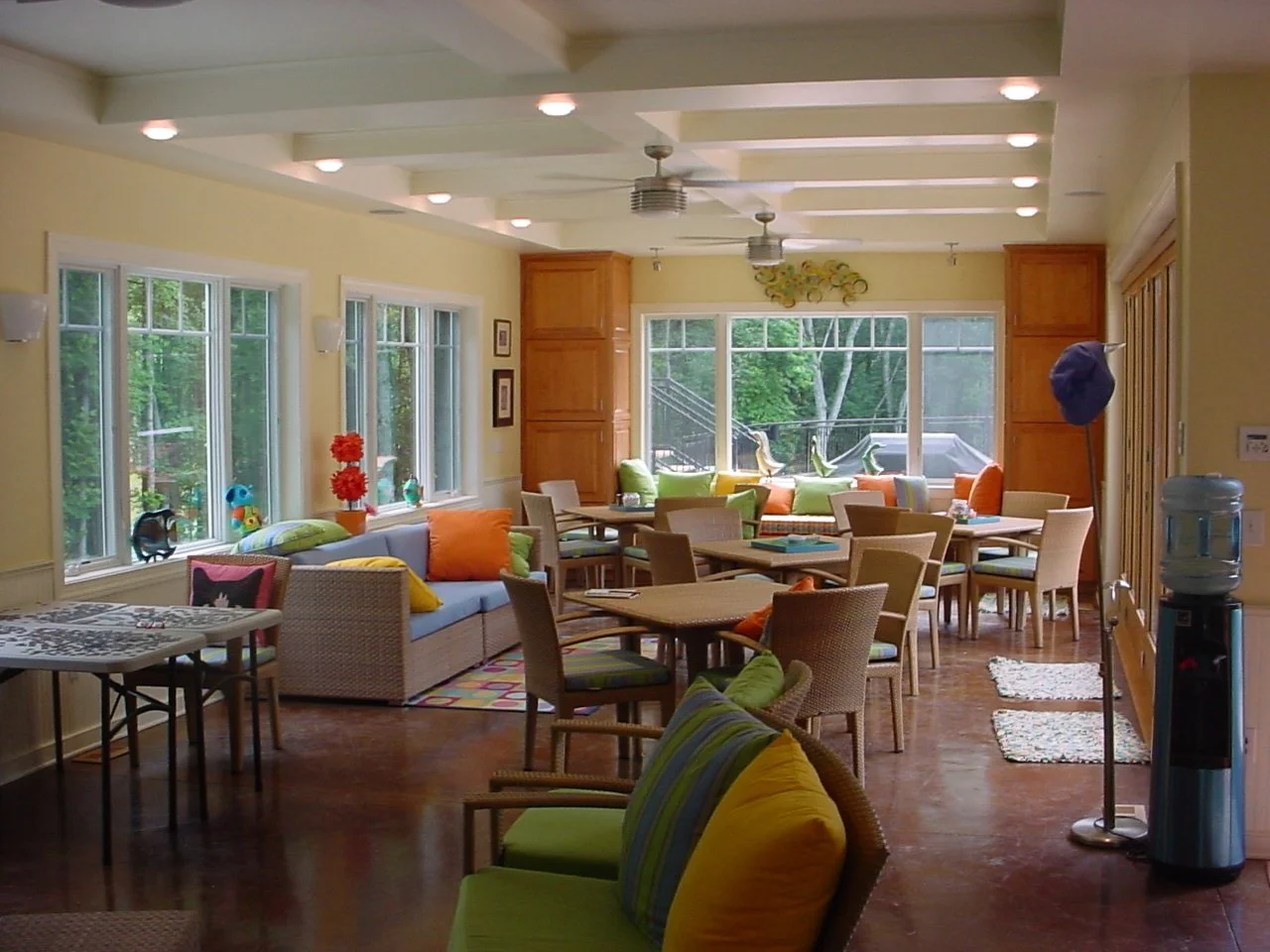
The Biggest Challenge Facing North Carolina Home Buyers Right Now
Affordability is the single biggest hurdle for buyers across the state right now. It is not just a headline. It is the reason so many people feel like they are chasing a moving target.
If you are shopping for a home in North Carolina, you have probably felt it already. The listing that looked perfect on Sunday is gone by Monday with an accepted offer. The monthly payment you ran through a calculator last spring buys a smaller house today. That squeeze has a name, and it is affordable. Affordability is the single biggest hurdle for buyers across the state right now. It is not just a headline. It is the reason so many people feel like they are chasing a moving target.
Why It Feels So Hard?
Three things are happening at the same time.
Home prices in a lot of North Carolina markets have climbed faster than paychecks have. From the Triangle to Charlotte to the mountains around Asheville, demand has stayed strong while the supply of homes has stayed tight.
Mortgage rates keep moving up and down, so the payment on the same house can shift by a few hundred dollars from one month to the next.
And the neighborhoods everyone wants tend to fill up fast, which pushes buyers into quick decisions.
Put those together and you get a market where people feel pressure to act before they are ready. They stretch the budget, waive protections, or pay over asking just to stop losing out. That pressure is real, and it is worth naming, because a rushed decision on the biggest purchase of your life can follow you for years.
Why Affordability Touches Everything Else
Affordability is not only about the price tag. It quietly shapes the rest of your life.
It decides which neighborhoods are even on the table. It sets how far you drive to work every morning. It influences the schools your kids can walk to. And it shapes your long term financial footing, because a payment that feels doable on paper can turn into a strain the first time the water heater goes or the car needs new tires.
When you look at it that way, the goal is not just to win a house. The goal is to win a house you can actually live in comfortably.
A Real World Example
Consider a couple we will call Marcus and Dana. They had their hearts set on one specific neighborhood in a growing suburb near Raleigh. Good schools, short commute, everyone wanted in. They lost three offers in a row over four months. Each time, they bid a little higher and gave up a little more, and each time someone outbid them anyway.
They were tired and discouraged, and they were close to overextending on a fourth home just to be done with it.
Then they changed the plan. Instead of fixating on the one zip code, they widened the search to a neighboring community about fifteen minutes farther out. Same style of homes, similar schools, a little more yard, and prices that gave them real breathing room. They got pre-approved and had their financing squared away before they toured. When the right house came up, they made a clean, sensible offer the same day and it was accepted.
They did not win by paying the most. They won by being ready, and by staying flexible on location instead of price. A year later, they had equity, a manageable payment, and none of the regret that comes from stretching too far.
What You Can Actually Do
You do not have to outbid everyone to buy well in North Carolina. A little strategy goes a long way.
Get pre-approved early. Not pre-qualified, pre-approved. It tells you exactly what you can spend, and it tells sellers you are serious. In a fast market, that alone can move you to the front of the line.
Pick a second neighborhood you would genuinely be happy in. Fixating on one area is where a lot of buyers lose their leverage and their patience. Having a strong backup keeps you calm and keeps your options open.
Keep your wish list honest. Separate the things you truly need from the things that would be nice. Flexibility on a few "nice to haves" can open up homes that fit your budget without a fight.
Build an offer strategy that is competitive but sensible. That means knowing your real ceiling ahead of time and holding to it, so you compete hard without talking yourself into a payment that keeps you up at night.
The Bottom Line
Affordability is the toughest part of buying a home in North Carolina today, but it is not a wall. It is a challenge you can plan around. Buyers who get their financing in order, stay open on timing and location, and know their limits before they start looking are the ones who come out ahead. Not because they spent the most, but because they came prepared.
If you are thinking about buying in North Carolina and want a clear, honest plan for your situation, we are always glad to talk it through with you. Contact us today for a complimentary conversation and your roadmap to success: 336-835-7253